
Smart Electric Heating for Winter: ATC Sunray RF, ATC Aeris and Rointe Compared
For controllable winter heating with no flue or pipework, a modern electric radiator is hard to beat. The ATC Sunray RF is an oil-filled thermal radiator with precise control and optional app and voice control. The ATC Aeris ECO is a ceramic radiator with WiFi built in. Rointe offers premium smart radiators with adaptive control. All three are Lot 20 compliant and wired in by a registered electrician to IS 10101.
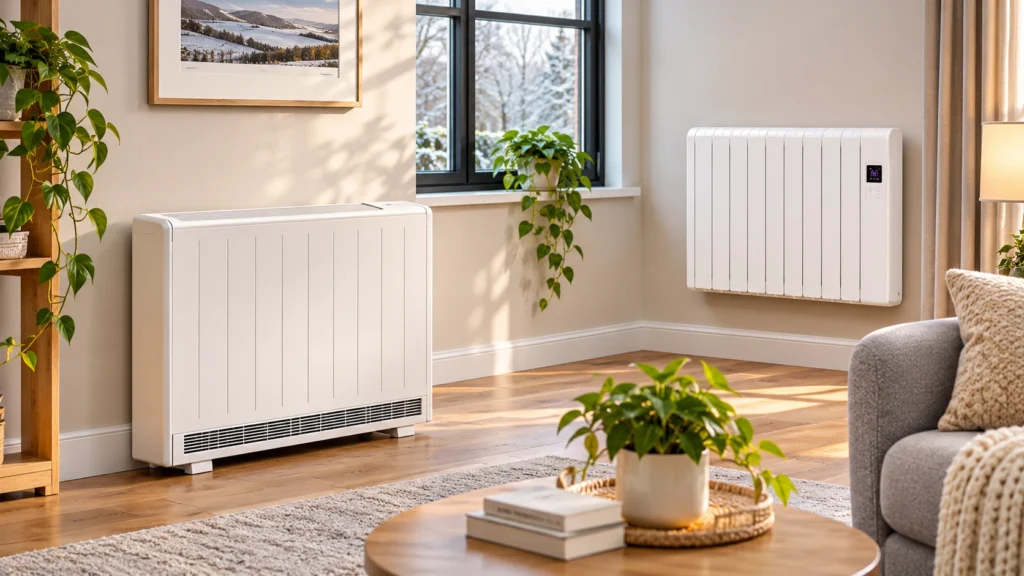
What are my smart electric heating options this winter?
Electric heating has come a long way. Today’s radiators hold a room at an exact temperature, learn your routine and can be run from your phone, so you only pay to heat the rooms you are using. Trade Electric Group stocks three strong ranges, each suited to a slightly different job:
- ATC Sunray RF: an oil-filled thermal electric radiator with precise control, a 20-year warranty on the aluminium body and optional wireless and voice control.
- ATC Aeris ECO WiFi: a ceramic radiator with fast heat-up and WiFi built in, controlled through the Tuya Smart Life app.
- Rointe: a premium Spanish range of smart electric radiators and storage heaters with adaptive, AI-based energy control.
They are all modern, programmable, Lot 20 compliant electric heaters. The right one comes down to the room, the look you want and how much smart control you need. This guide compares them so you can choose with confidence.
What is the ATC Sunray RF thermal electric radiator?
The ATC Sunray RF is an oil-filled aluminium radiator, filled with high-quality thermal emission oil for a fast heat-up and steady, comfortable warmth. It is a proper all-rounder: a reliable standalone heater that can also become a fully app-controlled smart system when you want it to.
- Precise control: a Triac electronic thermostat with PID intelligent control holds the room to within 0.2C, so it only draws the power needed to maintain your set temperature.
- Energy-saving features: Open Window detection suspends heating after a sudden temperature drop, and Adaptive Start warms the room gradually so it is ready for your programmed time.
- Wireless when you want it: run it standalone, or add the RF gateway to control up to 30 radiators from the ATC Smart app, with Amazon Alexa and Google Home voice control.
- Low Surface Temperature option for safety-critical rooms, plus a large TFT display, a 10-year battery backup for the program, and three modes (Comfort, Eco, Frost Protection).
- Range: seven outputs from 350W to 1800W (RF350 to RF1800), 230V, IP20, with a 3-year electronics and 20-year aluminium warranty.
Where it fits: a dependable, precise radiator for homes, rentals and commercial spaces that want the option of full app and voice control now or later.
What is the ATC Aeris ECO WiFi ceramic radiator?
The ATC Aeris ECO is a ceramic radiator with WiFi built in. A high-quality ceramic core gives a fast heat-up and even heat across the room, while 2.4GHz WiFi connects it straight to the Tuya Smart Life app, with no separate gateway needed.
- Smart control as standard: adjust temperatures, build heating schedules and monitor energy use from your phone, at home or away.
- Accurate electronic thermostat with a 5C to 30C range for precise comfort in any room.
- Four modes: Manual, Program, Standby and a Landlord mode designed for rental and managed properties.
- Slim, quiet and durable, suiting homes, offices, hospitality, education and healthcare settings.
- Range: 500W, 1000W, 1500W and 2000W models, all EcoDesign Lot 20 compliant.
Where it fits: a modern, slim radiator for anyone who wants smart WiFi control out of the box, and a strong choice for landlords thanks to its dedicated Landlord mode.
What are Rointe electric heaters?
Rointe is a European manufacturer with more than 40 years in electric heating. The range spans smart electric radiators (the D Series and Kyros), high heat retention storage heaters (Onyx), towel rails and underfloor heating, all built around energy-saving control technology.
- Inverter Smart Adaptive technology modulates power in real time and, Rointe states, cuts stabilisation energy waste by up to 80% compared with traditional systems, for faster, steadier heating.
- WiFi Direct is built into the newer products, so there is no separate gateway to install, and everything is controlled through the Rointe app.
- A dedicated Low Surface Temperature range suits schools, care homes, hospitals and social housing where a safe-to-touch surface matters.
- Strong on compliance and sustainability: Lot 20 compliant, designed around SAP and UK Part L criteria, with recognised sustainability credentials.
- Proven in Ireland too: Rointe’s Sygma system was chosen for the leisure facilities at the Carnbeg Hotel and Spa in Dundalk.
Where it fits: the premium pick for whole-home smart heating, efficiency-led projects and settings that need Low Surface Temperature safety.
ATC Sunray RF vs ATC Aeris vs Rointe: which should I choose?
All three do the same core job well: controllable electric heat, room by room, with no flue or pipework. The table sets them side by side so you can match one to your space and the level of smart control you want.| ATC Sunray RF | ATC Aeris ECO WiFi | Rointe (D Series / Kyros) | |
|---|---|---|---|
| Heating element | Oil-filled aluminium (thermal radiator) | Ceramic core | High heat-transfer fluid |
| Smart control | RF gateway + app (optional) | WiFi built in, Tuya app | WiFi Direct, Rointe app |
| Voice control | Alexa and Google Home | Via Tuya / smart home | Via Rointe app ecosystem |
| Control tech | Triac + PID, to 0.2C | Electronic, 5C to 30C, 4 modes | Inverter Smart Adaptive (AI) |
| Power range | 350W to 1800W | 500W to 2000W | From 600W (Kyros) |
| Low Surface Temp | Optional LST setting | Not specified | Dedicated LST range |
| Standout | 20-year aluminium warranty | Landlord mode, slim design | Up to 80% less stabilisation waste |
| Compliance | Lot 20, CE, RoHS | Lot 20 | Lot 20, SAP / Part L |
Specifications from ATC and Rointe manufacturer documentation (2025 to 2026). All three are installed by a registered electrician to IS 10101. Figures such as the 80% stabilisation saving are the manufacturer’s own.


How do you run electric radiators efficiently?
Every electric radiator, whatever the brand, turns almost all the electricity it uses into heat in the room. So the lever on running cost is not efficiency at the heater, it is control and your tariff.
- Use the controls: programmable timers, accurate thermostats, Open Window detection and Adaptive Start all stop you paying to heat empty or already-warm rooms.
- Heat room by room: controlling each radiator on its own means you warm only the spaces in use, which is where most of the saving comes from.
- Mind the tariff: on a day-rate supply, precise scheduling keeps costs down; a high heat retention option like the Rointe Onyx can shift some load to cheaper overnight hours.
- Insulation and draught-proofing cut the bill far more than swapping one good electric radiator for another.
We do not publish prices online, but your local branch will give you competitive trade pricing and honest advice on which range suits your space and tariff.
Installation and the rules in Ireland
A few practical points apply to any electric heating installed in Ireland:
- Fit it properly: fixed electric heating should be installed by a registered electrician and wired to IS 10101, the National Rules for Electrical Installations. Use a Safe Electric registered contractor.
- Controls are the law now: under the Lot 20 Ecodesign rules, fixed electric heaters sold in Ireland and the EU must have accurate electronic controls such as programmable timers and open-window detection, which is exactly what these ranges provide.
- No flue or pipework: electric radiators need no gas connection, flue or wet pipework, which makes them straightforward to retrofit into extensions and refurbishments.
- Grants: electric resistance radiators like these are not covered by SEAI home-energy grants, which target heat pumps and insulation. The saving here comes from control and tariff, not a grant.
Frequently asked questions
What is the difference between a ceramic and an oil-filled electric radiator?
A ceramic radiator like the ATC Aeris ECO heats a solid ceramic core for a fast, even heat. An oil-filled radiator like the ATC Sunray RF warms thermal fluid inside an aluminium body, which holds and releases heat smoothly. Both are controllable and Lot 20 compliant; the choice is about heat feel, design and smart features rather than efficiency, as both turn almost all their electricity into heat.
Do these electric radiators need WiFi to work?
No. All three ranges run perfectly as standalone heaters using their own thermostat and timer. The ATC Aeris ECO and Rointe have WiFi built in, and the ATC Sunray RF can be made wireless with an RF gateway, so you can add phone and voice control whenever you want it, not because you have to.
Do electric heaters qualify for SEAI grants in Ireland?
No. SEAI home-energy grants target heat pumps, insulation and related upgrades, not electric resistance radiators like the ATC Sunray RF, ATC Aeris or Rointe ranges. The running-cost gains from these heaters come from precise control and your electricity tariff rather than a grant.
What is a Low Surface Temperature (LST) radiator and who needs one?
An LST radiator keeps its outer surface at a safe-to-touch temperature, which matters in schools, care homes, hospitals and some social housing. Rointe offers a dedicated LST range, and the ATC Sunray RF has an LST setting, making both suitable where vulnerable users could come into contact with the heater.
Which electric radiator is best for a rental property?
The ATC Aeris ECO is a strong choice because it has a dedicated Landlord mode for managing rental and multi-occupancy properties, alongside WiFi scheduling. The ATC Sunray RF also suits managed buildings, as one RF gateway can control up to 30 radiators from a single app. Your branch can help match the range to the property.
Can I control a whole house of radiators from one app?
Yes. Rointe radiators connect through WiFi Direct and the Rointe app, the ATC Aeris ECO connects through the Tuya Smart Life app, and the ATC Sunray RF connects through the ATC Smart app via an RF gateway that handles up to 30 radiators. All let you set and monitor every room from your phone, at home or away.